Pesticide Compliance
Pesticides are used on campus to manage insects, weeds, plant diseases, and other pests. The Environmental Health and Safety (EHS) Office provides regulatory and safety guidance to University departments that purchase, store, handle, or apply pesticides.
The University Pesticide Program supports compliance with applicable EPA, OSHA, and North Carolina Department of Agriculture and Consumer Services (NCDA&CS) requirements.
What you need to know
Pesticide Applicators
- Compliance Licensing & Training: Employees applying pesticides must meet applicable NCDA&CS licensing, certification, training, or supervision requirements. Pesticide applicators must be certified through NCDA&CS or complete Non-certified Applicator Training through NCDA&CS. Additionally, employees handling hazardous pesticides or herbicides must receive Hazard Communication: An Employee’s Right to Know 2.0.
- Timing: Prioritize non-chemical prevention (sanitation, exclusion) before applying chemical treatments. Schedule applications during off-peak hours such as late evenings, weekends, or academic breaks to minimize exposure risk.
- Notification & Containment: Post designated warning signs at all site access points before application, clearly stating the chemical applied, date, time, and Restricted-Entry Interval. Check weather conditions to prevent drift toward air intakes or populated areas. Avoid spray drift and overspray, protect storm drains and waterways, and promptly report pesticide spills or exposures to EHS.
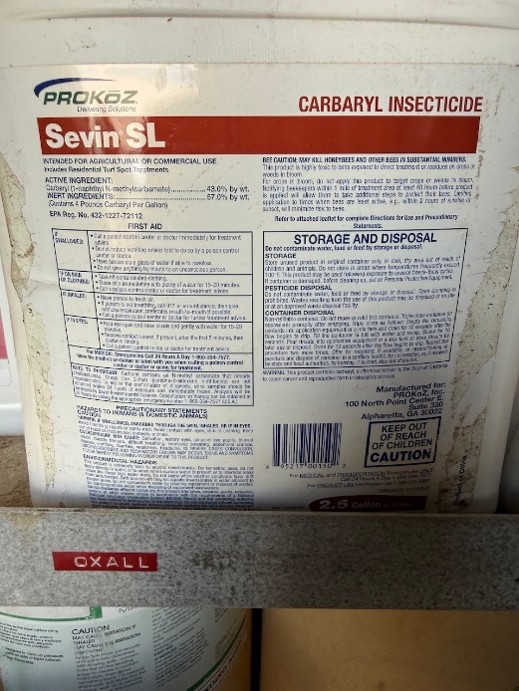
- Storage, Mixing, and Disposal: Pesticides must be used, stored, and disposed of according to the product label. Strictly follow label instructions, which carry state legal authority. The pesticide should only be mixed in the designated mixing location between the Facilities Management Grounds and Automotive buildings.
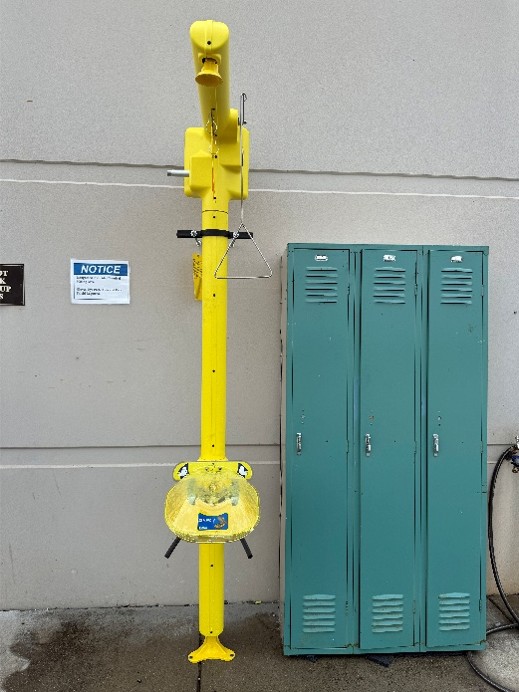
- Safety Protocols: Wear all required Personal Protective Equipment (PPE), maintain accessible Safety Data Sheets (SDS) on-site, and follow institutional spill containment procedures. Respirators, including N95s, must only be used when appropriate and in accordance with the University’s respiratory protection requirements. Emergency eyewash and showers are readily accessible around campus. Familiarize yourself with locations and remember to immediately wash skin if exposed.
Campus Community (Faculty & Staff)
- No Unauthorized Chemicals: Never bring consumer pesticides, aerosol sprays, or rodent baits from home into classrooms, offices, or campus facilities.
- Work Order Reporting: Report pest sightings directly to Facilities Management or Environmental Health and Safety (EHS) so certified professionals can handle the issue.
- Respect Signage: Obey all posted notification flags, door hangers, and restricted zones. Do not enter treated spaces until the designated REI has fully elapsed.
- Reporting Concerns: Contact EHS Office if you have any questions or concerns.
Students
- Heed Outdoor & Indoor Warnings: Stay off lawns, athletic fields, or landscaping marked with applicator flags or caution tape, and keep clear of freshly treated indoor spaces.
- Residence Hall Rules: Avoid using unauthorized bug bombs or sprays in dorms. Contact your Resident Advisor (RA) or housing staff immediately to submit an official pest control work order.
- Pet Safety: Keep service animals and approved emotional support pets away from treated outdoor turf until the posted safe re-entry window closes.
- Reporting Concerns: Report strong chemical odors or unexpected physical symptoms (such as skin irritation, dizziness, or nausea) to Health Center right away.
Services
The Environmental Health and Safety Office offers the following services:
- Pesticide and Herbicide Regulatory Assistance
- Pesticide and Herbicide Storage Inspections
- PPE and Hazard Assessments
- Agricultural Chemical Pre-Fire Plan Consultation
- Spill, Runoff, and Exposure Response
- EPA and NCDA&CS Reporting Assistance
Contact EHS before applying a pesticide if you are unsure about licensing, training, PPE, storage, application, or regulatory requirements.